Fictional (Weird) Black Girls that Shaped My Personality
I love television. I always have. As a certified latchkey kid, I distinctly remember my daily after-school responsibilities being; taking the chicken out of the freezer and plopping down in front of the big (small) screen. I likely have a bias but my favorite characters were of course the Black girls, bonus points if they were weird. I use weird as a term of endearment to highlight characters that actively subverted stereotypes through character development and personality traits. They were fashionable, goofy, adventurous and different. They were awkward and imperfect, they spoke to me. Each show was a 30-minute reprieve from my daily misadventures at a PWI. Their fictional confidence impacted my real life. I’ve collected their quirks like patches and wear them with pride. Regardless of how much time passes, I find myself revisiting these leading ladies in all their weirdly perfect glory.
Raven Baxter, That’s So Raven
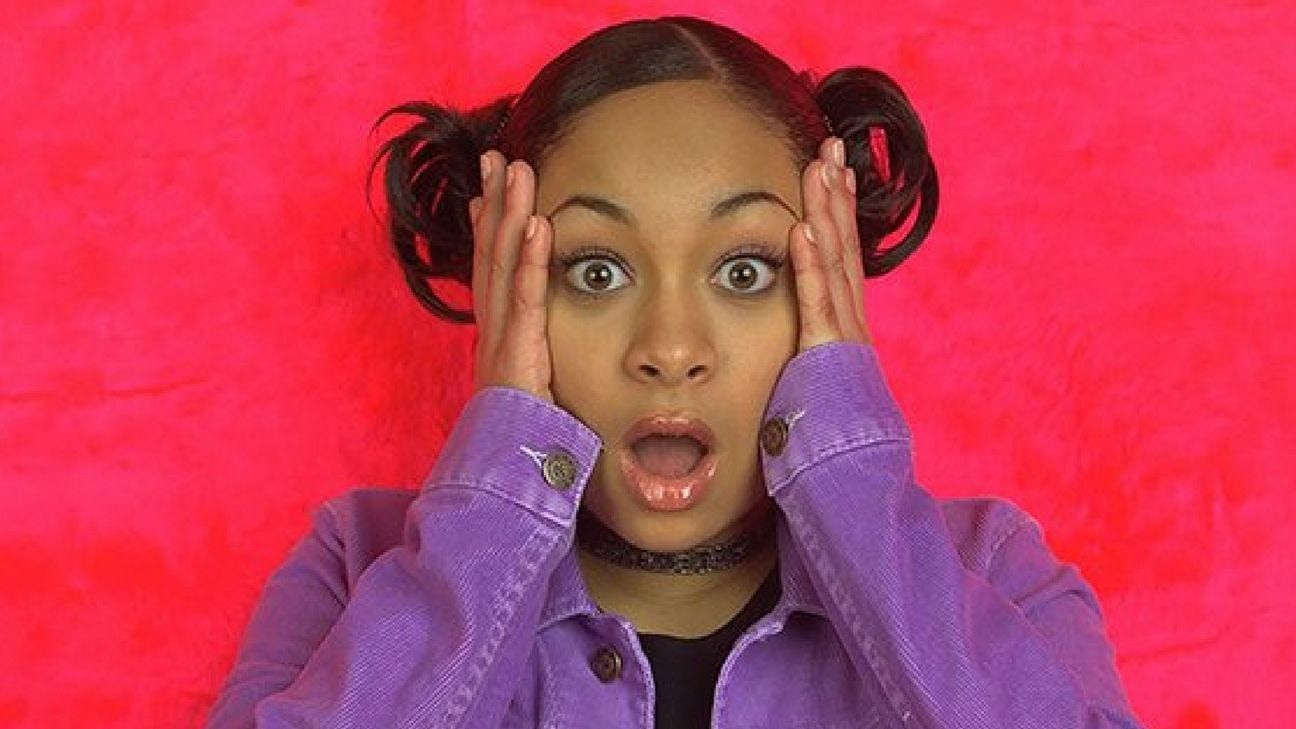
The O.G fashionista and master of physical comedy. Raven Baxter’s unapologetic style and signature catch phrases taught me that nothing was stopping me from being the main character. She navigates the dynamics of family and friendship while humorously hiding her psychic abilities but, this secret identity does not stop her from coming of age with drive and confidence. Raven does not shrink herself in any capacity and often leans into the loud parts of her personality. Elaborate costumes, silly hijinks and bold fashion choices all highlight this characteristic. That’s So Raven may have been the first piece of media where I recognized the body as a political image. Her curves were often a topic of discussion throughout the series but her ambition to work in fashion told the audience that this title character would not be defined by social limitations. Raven showed me that Black girls don’t have to choose, we can be it all; fashionable and plus size, comedic and clumsy, charismatic and compassionate.
Tracey Gordon, Chewing Gum
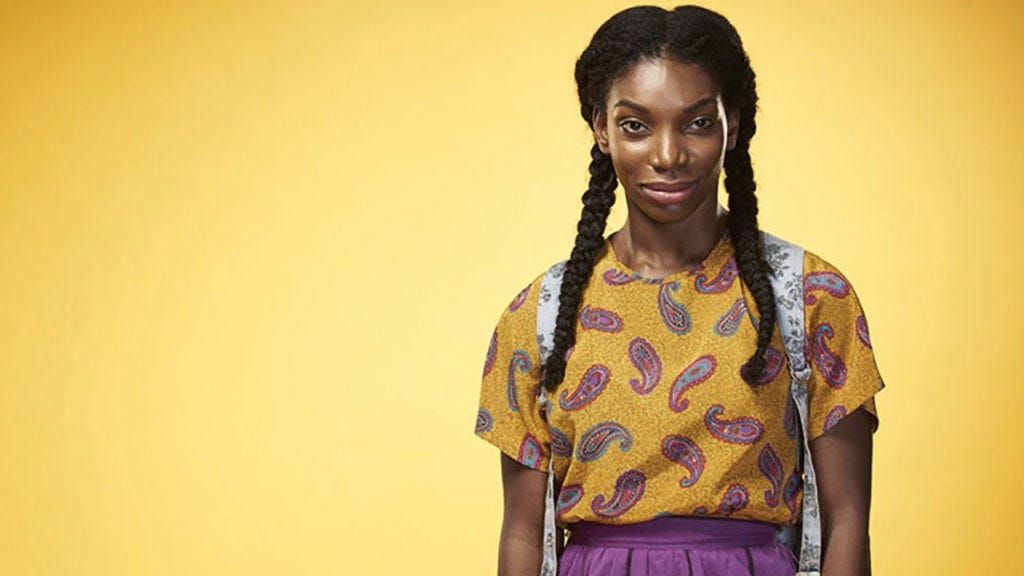
Born to be an Alyssa, forced to be a Tracey. The main character of Chewing Gum , Tracey Gordon faces her sexual repression with fervor on her journey to lose her virginity at 24. Tracey possesses all of the passion but lacks direction due to her religious upbringing. Her quirky demeanor and optimistic persistence places her in amusing situations that often end with a laugh at her expense; i.e. rushing to the pharmacy for the morning-after pill after a “hand job incident”. Despite this, she remains grounded in her hilarious yet delusional ideology. Tracey’s late transition into womanhood showcases the intimidating and uncomfortable parts of love and sex, but leaves room for the sweet moments. “ I’m a grown-ass woman, I just regularly make childlike mistakes,” she says. Tracey taught me that Black girlhood has no expiration date. We are allowed to have human moments and to embrace the crunchy parts of adulting because they mirror real-life.
Ashley Banks, The Fresh Prince of Belair
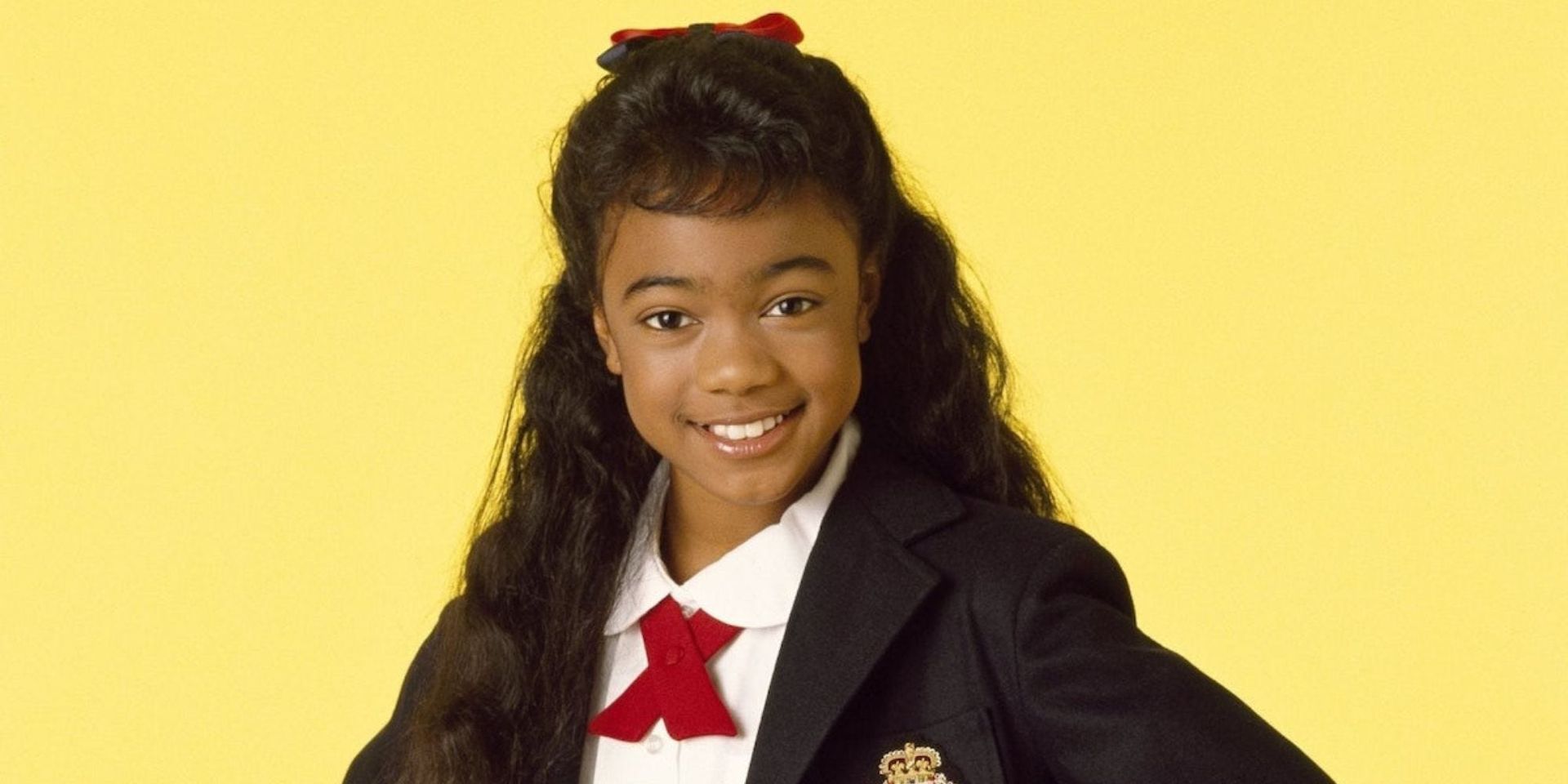
She may be the youngest sister of the Banks family but her impact was anything but small. We meet Ashley Banks as an inquisitive and energetic young girl who is extremely close with her older cousin, Will. Over the course of the series she develops into her own person with defined goals and clear personality traits. Being the youngest sibling myself, it was a treat to watch Ashley develop her voice from an innocent child to a rebellious and outspoken teen. Oftentimes we see her challenging the social norms set by her parents and maintained by her siblings. She grapples with self-discovery and expression, privilege, and feminism. Her style evolution highlights her relationship to femininity in contrast to her older sister Hilary’s more traditional luxury style, opting for more grungy modern pieces. Ashley embodies the phrase, “small but mighty”, and taught me that our voices are powerful if we choose to use them.
Miranda Killgallen, As Told By Ginger
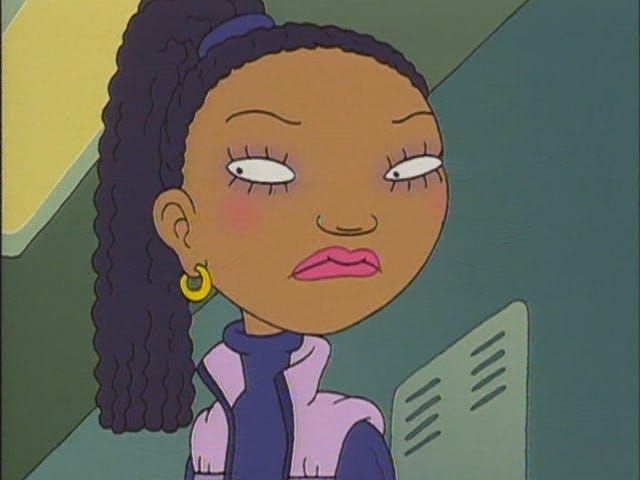
Certified mean-girl, Miranda Killgallen holds it down one eye roll at a time. Voiced by the iconic Cree Summer, Miranda brings depth to an age-old archetype. As Told By Ginger aired in the early 2000s following the tween adventures of Ginger Foutley as she navigates middle-school, frequently clashing with popular girls and series antagonists, Miranda and Courtney Grippling. Miranda is fiercely loyal to her best friend Courtney and is driven by perception and status. Ironically, Miranda doesn’t have very many close friends or confidants despite her urge to claim status through her proximity to Courtney. In the short glimpses we get into Miranda’s background, we see that her signature sarcastic demeanor stems from her relationship with her strict father. Her unapologetic iciness is a coping mechanism she deploys against her classmates. Even though she is a villain, it was groundbreaking to see a Black girl utilize humor in a way that was never self-deprecating. Miranda’s arc models a nuanced relationship with insecurity and self-worth that proves she isn’t just a mean-girl. She showed me that Black girls bring layers of lived experiences to every story and that alone is worth exploring.
Libby Folfax, The Adventures of Jimmy Neutron, Boy Genius

Serving as the voice of reason in her quintet of friends, Libby Folfax elevated from a sassy background character to a pivotal part of the core group. The Adventures of Jimmy Neutron, Boy Genius follows Jimmy and his friends as they navigate sci-fi scenarios with the help of his high tech expertise. Libby grows into her own and we see her develop into an invaluable asset to the crew. She is smart, spunky and honest with interests spanning gadgets, fashion and music. A notable moment in her character development occurs when Libby undergoes a makeover in the episode “Beach Party Mummy”, here she ditches her teal dress and straight ponytail for natural twists that reflect her Egyptian heritage. She rocks this style for the remainder of the series visually indicating her maturity and self discovery. Libby exudes visibility and confidence in a show that could’ve easily overlooked her story. She represents the everyday Black girl and the unlimited potential of the young mind.
Recent Posts